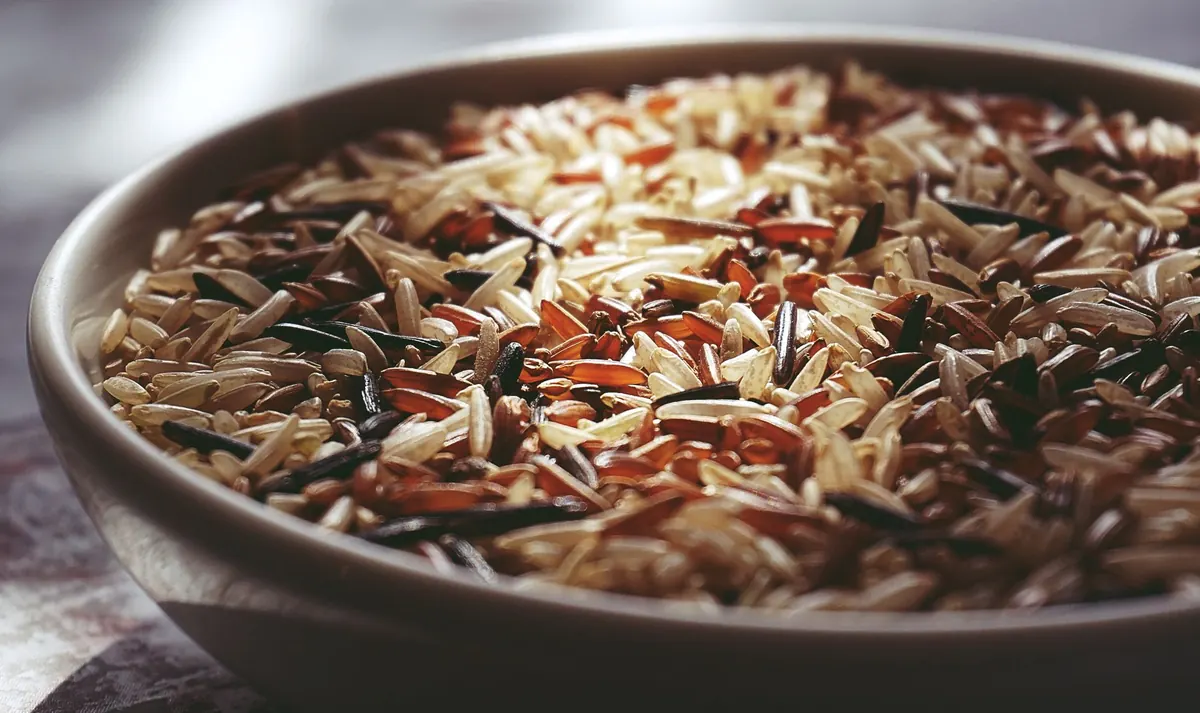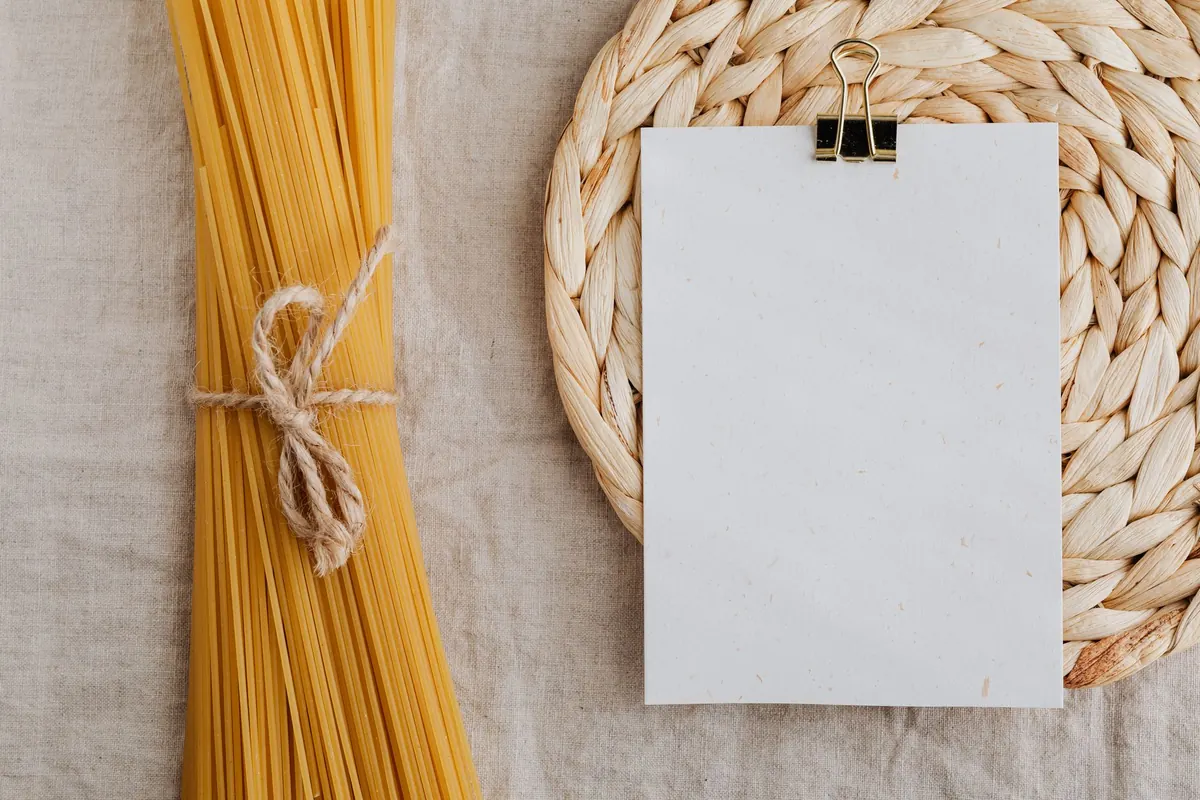
A recipe swap works because it turns something ordinary into something shared. Everyone has a shelf of reliable ingredients: rice, dried beans, oats, tinned tomatoes, pasta, flour, peanut butter, frozen peas. The dishes people make from those staples are often the ones they cook most, and the ones they rarely think to write down. A swap gives those recipes somewhere to go.
You do not need a big budget or a professional kitchen. You need a table, a few index cards, some food to taste, and a reason for neighbours to sit down together. Here is how to plan one that people actually enjoy and remember.
Start with a clear format
The best swaps are specific. "Bring a recipe" is vague and people will stall. "Bring one recipe you make from ingredients that keep in the cupboard, and a small portion to taste" tells everyone what to do.
Decide on a scale that matches your space. Ten to twenty people is comfortable in a community hall, a church basement, a library meeting room, or a large living room. More than that and the tasting turns into a scrum. If interest is high, run two sessions rather than one crowded one.
Set the practical details early and put them in writing:
- Date and time. Two hours is enough. Ninety minutes if you keep it tight.
- Location. Somewhere with tables, chairs, and access to water and a sink.
- What to bring. One recipe, written out, plus a taste portion for six to ten people.
- What to leave at home. Anything that needs reheating at the last minute, unless you have a kitchen.
- Allergy note. Ask people to label dishes with common allergens: nuts, dairy, egg, wheat, soy, shellfish.
If you are collecting a small fee to cover hall hire or supplies, say so up front and keep it simple. For anything involving money, permits, or food safety rules in a public venue, check with your local authority or a qualified adviser, as requirements vary by place.
Set the theme around pantry staples
A theme gives the table coherence and stops you ending up with nine variations on chilli. Choose one that leans into what people already have.
Good themes for a first swap
- One tin, one grain. A dish built from a single tin plus rice, pasta, oats, or another grain.
- Beans and pulses. Dried or tinned, any cuisine.
- Five ingredients or fewer. Excluding oil, salt, and pepper.
- Breakfast from the cupboard. Oats, flour, dried fruit, nut butter, tinned fruit.
- Grandma's shelf. A dish that has been passed down and uses long-keeping ingredients.
Announce the theme when you invite people, and give one or two examples so it feels achievable rather than academic. "A lentil soup, a chickpea curry, a rice pudding" is more useful than "pulses".
Make the recipe cards the centrepiece
The cards are the point of the whole event. Everything else is hospitality. Give people a template in advance so the cards come back usable instead of scribbled on the back of a receipt.
A single index card, ideally A5 or 5x7 inches, should hold:
- The dish name and the cook's first name.
- How many it serves.
- Ingredients in the order they are used, with rough quantities.
- Steps, numbered, in plain language.
- Timing and any equipment needed.
- One line on substitutions or what to do with leftovers.
Print blank templates and hand them out at the door as a backup. Bring spare pens, and a stack of blank cards for anyone who wants to copy a recipe they taste and like. At the end, photograph every card or scan them, then share the images or a typed-up file with the group. That way nobody loses the recipe they meant to copy.
Ask people to write quantities honestly, including the vague ones. "A good glug of oil" is fine if that is what happens, as long as it is written down that way.
Run the tasting so it flows
Food brings people in; structure keeps them talking. Set dishes out on one long table with the matching recipe card beside each one, propped up so it can be read while serving. Provide small plates, forks, spoons, and napkins. Small servings matter. People want to try everything, and a full bowl of each dish means a great deal of waste.
A workable rhythm for a two-hour event:
- First 15 minutes: arrivals, drinks, name labels, cards placed.
- Next 20 minutes: everyone walks the table, reads the cards, and serves themselves.
- Next 40 minutes: eating and talking. Seat people in mixed groups rather than clusters of friends.
- Next 20 minutes: a short round where three or four volunteers say where their recipe came from.
- Final 15 minutes: copying cards, swapping leftovers, clearing up together.
If you want more conversation, put a question on each table: "What is the one ingredient you always keep in the cupboard?" or "What do you make when there is nothing in the house?" These get people talking faster than introductions.
Feed the pantry, not just the room
A recipe swap sits naturally alongside a community pantry, and you can link the two without turning the event into a collection drive. Ask guests to bring one extra long-life item if they can, and pass it to your local pantry afterwards. Tinned tomatoes, dried pasta, rice, oats, and tinned beans are almost always welcome.
Check with the pantry first about what they can accept and how they want it delivered. Some take open-dated goods, some do not. A quick message beforehand saves a car boot full of unwanted tins.
You can also print the finished recipe collection as a small booklet and leave copies at the pantry for anyone to take. Recipes made from shelf-stable ingredients are exactly what people shopping at a pantry need, and they cost almost nothing to produce.
Small things that make it work
Label everything, including the plainest dish. People with allergies, dietary needs, or simply a dislike of mushrooms need to know what they are eating.
Have a designated person on drinks. Tea, water, and something cold are enough. A volunteer who keeps the kettle going frees you to talk to people.
Do not let one person do all the clearing. Announce a five-minute tidy at the end, and put bins and washing-up bowls where people can find them.
Follow up within a week. Send the photographed cards, thank people, and ask one question: what would you change next time? That answer shapes the second event, and there should be a second event.
Before you send the invitations
Pick a theme, book the room, print the card templates, and write one clear paragraph explaining what to bring. Then keep the rest light. The dishes will be modest, the cards will be a little messy, and someone will forget their serving spoon. That is fine. A recipe swap succeeds when people leave with two or three new things to cook and a few more names they recognise at the pantry.