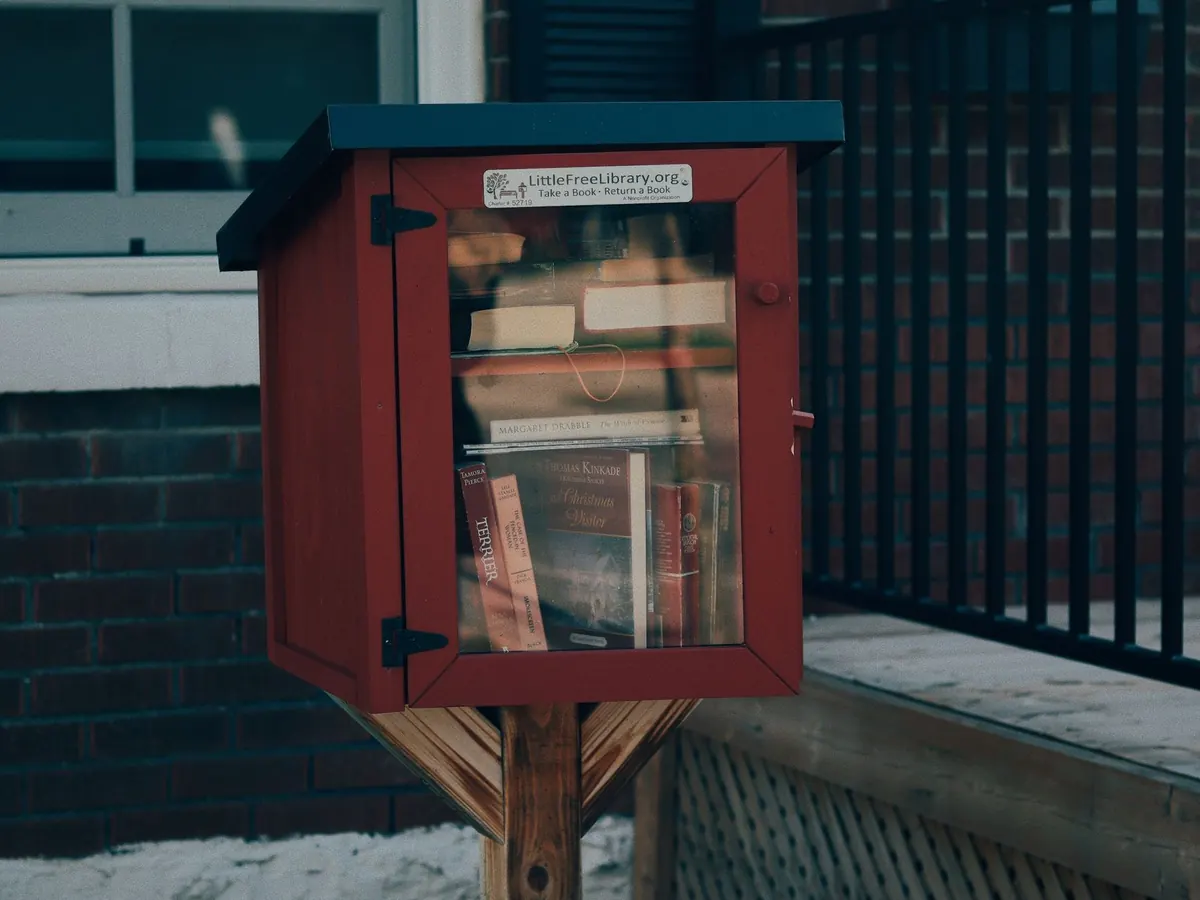
A pantry the size of a nightstand at the edge of a driveway is open when the grocery store is closed and when nobody is awake to unlock a door. That is the whole appeal of a little free pantry: no appointment, no paperwork, no questions asked. You take what you need, you leave what you can. Building one is less complicated than most people expect — a weather-tight box, a post, a shelf or two, and the discipline to check it regularly. Here is what actually matters when you set one up for round-the-clock food sharing.
Decide What Kind of Pantry You Are Running
There are two broad models, and they demand different amounts of you.
A neighborhood pantry fills a small, local gap: a family short on groceries until payday, a retiree who needs one can of tomatoes, a teenager walking home hungry. It is small, informal, and stocked by a handful of people who live nearby. A community pantry works more like a tiny food hub, with a roster of volunteers, a restocking schedule, and often a second sealed box for hygiene items or pet food.
Both are worthwhile. The small one is easier to sustain and the right place to start. If the demand grows, you can add a shelf, a sign, and a volunteer list later. Be honest about capacity before you build. Someone has to check the box in freezing rain, in August heat, and on the morning after a holiday. If that someone is you, indefinitely, build small.
Pick a Site People Can Reach Anytime
The best spot is visible from the sidewalk, on level ground, sheltered by a wall or roof overhang, and lit well enough at night that nobody feels uneasy approaching it. Corners where two walking routes meet do well. So do the edges of parking lots and the strip between a front yard and a public sidewalk.
Before you dig, bolt, or build
- Check your local rules. Zoning codes, rental agreements, and homeowners association covenants can all govern structures at the edge of a property. A short call to your municipal office or landlord beats taking the thing down in a month.
- Ask the property owner, even if that means asking a partner or family member who shares the yard.
- Look into food rules where you live. Many places regulate food that is given away. Sealed, shelf-stable goods are the least complicated thing to share. If you want to offer anything perishable, prepared, or home-canned, check with your local health department first — and treat that as a firm step, not an optional one.
Build or Buy the Box
You need four things: an enclosure that keeps water out, a door that stays shut, a latch that a child or someone with stiff hands can work, and shelves that hold real weight. Wood, a metal cabinet, a retired newspaper box, or a kit made for the purpose all work. Material matters less than water management.
Give the roof a slope and an overhang. Seal seams, prime and paint anything bare, and hinge the door at the top or the side so it does not sag. A simple hook-and-eye latch beats a lock, which only invites damage. Keep the lowest shelf off the floor so a spill does not soak everything above it. Mount the box at a height where someone seated can reach the bottom shelf and open the door without standing — the lower edge somewhere around waist height works for most people. Then paint the message plainly on the front: Free food. Take what you need. Leave what you can.
Stock It With Things That Keep
Start with food that survives temperature swings and does not need a kitchen to be useful. Pop-top cans and ready-to-eat items matter more than you might think; someone without a can opener or a stove cannot use a jar of sauce.
Reliable staples
- Peanut butter, canned beans, canned vegetables and fruit, tuna or sardines
- Pasta, rice, instant noodles, oatmeal, dry cereal
- Shelf-stable milk, soup, granola bars, crackers, dried fruit, nuts
- Baby food in sealed jars, plus diapers and wipes
- Toilet paper, soap, toothpaste, menstrual products, pet food
Leave these out
- Anything past its date, opened, dented, or from a bulging can
- Home-canned or home-prepared food
- Medications and supplements of any kind
- Fresh milk, meat, or produce in warm weather, unless you can check the pantry daily
Resist the urge to pack it full. A crowded box looks chaotic, crushes the crackers at the bottom, and leaves no room for someone to set down a bag while they browse. Two-thirds full is a healthy pantry.
Keep It Clean, Dry, and Checked
A weekly visit is enough for most small pantries. Open the door, feel for damp, wipe the shelves, pull anything opened or damaged, sweep the ground in front, and note what disappeared fast and what has been sitting for a month. That note is your shopping list.
Seasons change the job. Summer heat ruins chocolate, softens anything coated, and stresses cans. Winter freezing splits plastic and can crack cans of liquid. In icy weather, keep the path to the pantry cleared — a box nobody can safely reach is a box nobody uses. If you notice pests, empty the pantry completely, clean it, and let it dry before restocking.
Make It Easy for Others to Help
Put a small list on the door: Low on peanut butter and diapers. People buy specific items. Vague requests for donations get vague results. Recruit two neighbors as backup stewards so a vacation or a sick week does not leave an empty box, and say out loud that people who use the pantry are welcome to stock it too. That reciprocity is what keeps a pantry from becoming a one-way project that burns out whoever started it.
Tuck a printed list of local food banks, free meal sites, and helplines inside the door. A pantry is a doorway, not a full solution, and someone who needs more than a box can offer should be able to find it. For anything involving benefits, housing, or medical needs, point people toward local agencies rather than trying to handle it yourself.
Start Small, Then Keep Going
Your first version can be modest: pick the spot, confirm the rules, find a cabinet, seal it, mount it, hang a sign, and put twenty items inside. Tell the neighbors what it is and what it needs. Check it in three days, then in a week, then settle into a rhythm.
The pantry will look different in a year. The list on the door will change, the regulars will change, and you will learn which shelf gets emptied first. All of that is fine. The point is a small, steady box that is always open — and a street where hunger has one less closed door in front of it.
Photo: Dalia Al-Refai / Pexels