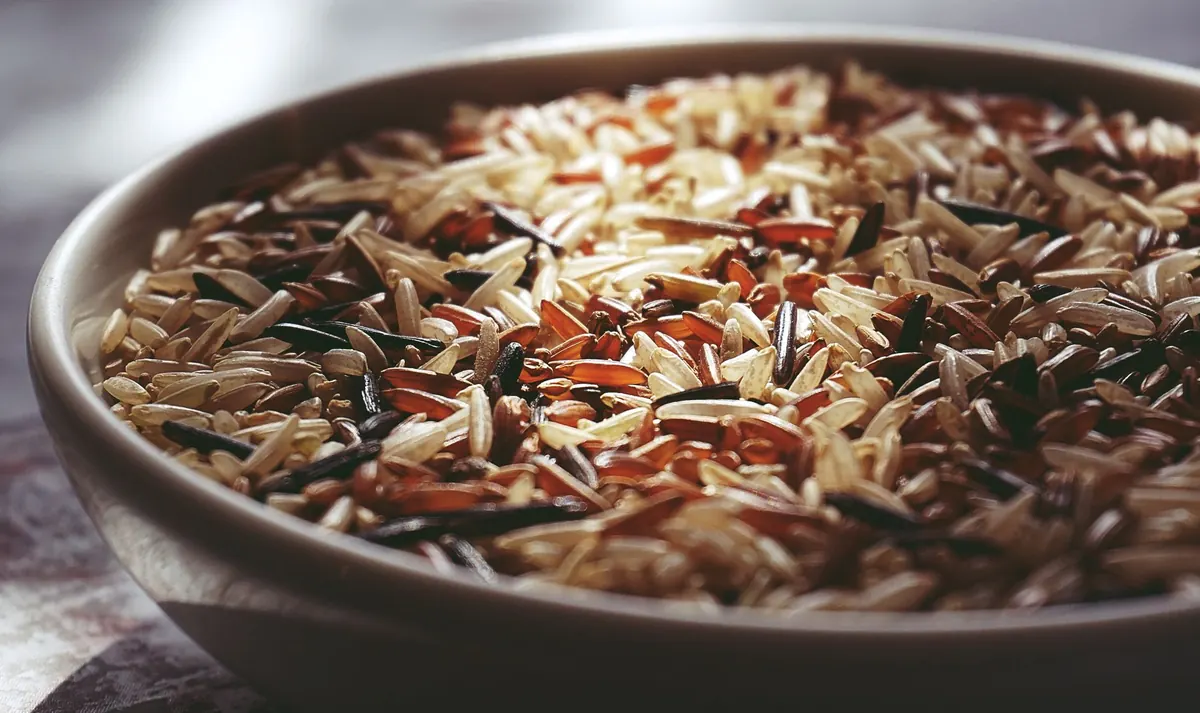
Every community pantry has a moment like this: someone opens the back cupboard and finds a case of yogurt drinks that expired nine days ago, a bag of rice that mice have chewed open, and eleven jars of the same mustard nobody wants. None of that is a failure of generosity. It is a failure of tracking. A working inventory does not need software or barcode scanners. It needs a routine a new volunteer can learn in ten minutes, a clear place for everything, and a shared rule about which items leave the shelf first.
Set Up Zones Before You Count a Single Item
You cannot count what you cannot find, and you cannot teach someone else to count it either. Start by dividing your shelves and storage into named zones, marked with masking tape and a marker. Group by how people actually shop, not by how donations arrive:
- Canned and jarred goods, split by type: vegetables, fruit, beans, soup, fish, meat
- Dry staples in sealed bins or original bags: rice, pasta, flour, oats, sugar
- Baking and spices
- Baby and infant supplies
- Personal care and household items
- Pet food
- Drinks and long-life milk
- Backstock and overflow
Keep frontstock and backstock apart
The shelf people pick from should hold only what is ready to go out. Reserve a separate area for unopened surplus. When the pick shelf runs low, you top it up from backstock. This one split solves most of the problems that make a pantry count take an hour instead of fifteen minutes.
The Weekly Count: Same Order, Every Time
Pick a day and stick to it. Walk the zones in the same direction each week so nothing gets skipped behind a door or under a table.
- Count what is on the pick shelf, left to right.
- Write the number on a printed tally sheet or a whiteboard, not on the back of an envelope.
- Compare against your par level for that item.
- Pull anything with a torn bag, a dented can, a bulging lid or a leak.
- Top up the pick shelf from backstock and note what you used.
Set par levels for your ten fastest movers
A par level is simply the number you want on hand at the start of a session. Twenty-four cans of beans, twelve jars of pasta sauce, six bags of rice. When stock drops below par, the item goes on the request list or the shopping list. Do not set par levels for everything at once, or the count becomes a project. Start with the ten items that leave the building fastest, and add more when the habit holds.
Rotation: New Behind Old, Every Single Time
First in, first out is easy to say and easy to break when you are holding a heavy box and the shelf is already full. Make the rule physical rather than theoretical.
Date-mark anything that arrives without a clear date by writing the month received on a strip of masking tape. Do not stack cans three deep on the pick shelf; deep stacks hide the oldest items at the back where nobody reaches. If you have deep shelving, tip the front items forward and place new ones behind them. A slanted can rack or a simple cardboard pusher does the same job for a few pounds or nothing at all.
At every shift handover, say the same sentence out loud: new goes at the back, old comes to the front. Repetition is what makes it stick.
Dates: A Weekly Sweep and a Written Policy
Best-before and use-by are not the same thing
As a general rule, a best-before date is about quality, while a use-by date is about safety and food should not be distributed or eaten after it. Rules vary by country, product and packaging, so check your local food safety authority's guidance and write your pantry's policy down in plain language: what you accept, what you keep, and what gets thrown away. Post it where volunteers sort donations, and make the default answer simple. If someone is unsure, it does not go out.
The thirty-day sweep
Once a week, run your hand along each shelf and look only at dates. Anything dated within the next thirty days gets pulled to the front and marked with coloured tape or a "use first" sticker. This single habit prevents the back-of-the-cupboard problem better than any spreadsheet.
Decide in advance what happens to flagged items. A "use it up" table near the door, a recipe card propped against the shelf, a note in the volunteer group chat, or a handover to a local meal programme all work. Anything past a use-by date comes off the shelf immediately, and anything spoiled goes in the bin rather than back into circulation.
Intake: A Checklist for the Door
- Count or weigh the donation and note the donor's name or group for thank-you notes and reporting.
- Check every container: no bulging cans, broken seals, damp cardboard or chewed packaging.
- Read the dates. Anything inside thirty days goes straight to the use-first area, not into backstock.
- Sort into zones now. A box left in the hallway is a box nobody counts.
- Date-mark anything without a visible date using the month you received it.
- Record the arrival on the same sheet as your weekly count so the numbers live in one place.
Laminate this list and tape it to the intake table. New volunteers should be able to follow the card rather than rely on whoever trained them remembering everything.
Records Worth Keeping
Three numbers matter: what came in, what went out, and what got thrown away. A tally sheet on a clipboard, a whiteboard, or a single shared spreadsheet all do the job. If your pantry handles money, donations or receipts, keep clean records and get advice from an accountant or your umbrella organisation, since reporting requirements differ from place to place.
Then hold a fifteen-minute review once a month. Look at the throw-away list and ask what it is telling you. Too many short-dated drinks arriving? Stop accepting them, or route them straight to the use-first table. Forty tins of the same soup that nobody takes? Adjust your "most needed" list, which is really just your par levels written in plain language and pinned where donors can see it.
Make It Small Enough to Repeat
An inventory that takes an hour will be skipped in a busy week. Fifteen minutes at opening, five minutes at closing, one named person per shift and a written routine on the wall will outlast any app you trial. The goal is not a perfect count. It is that the oldest tin leaves the shelf first, nothing goes out past its use-by date, and the volunteer who unlocks the door on Saturday knows exactly where to start.
Photo: Gustavo Fring / Pexels