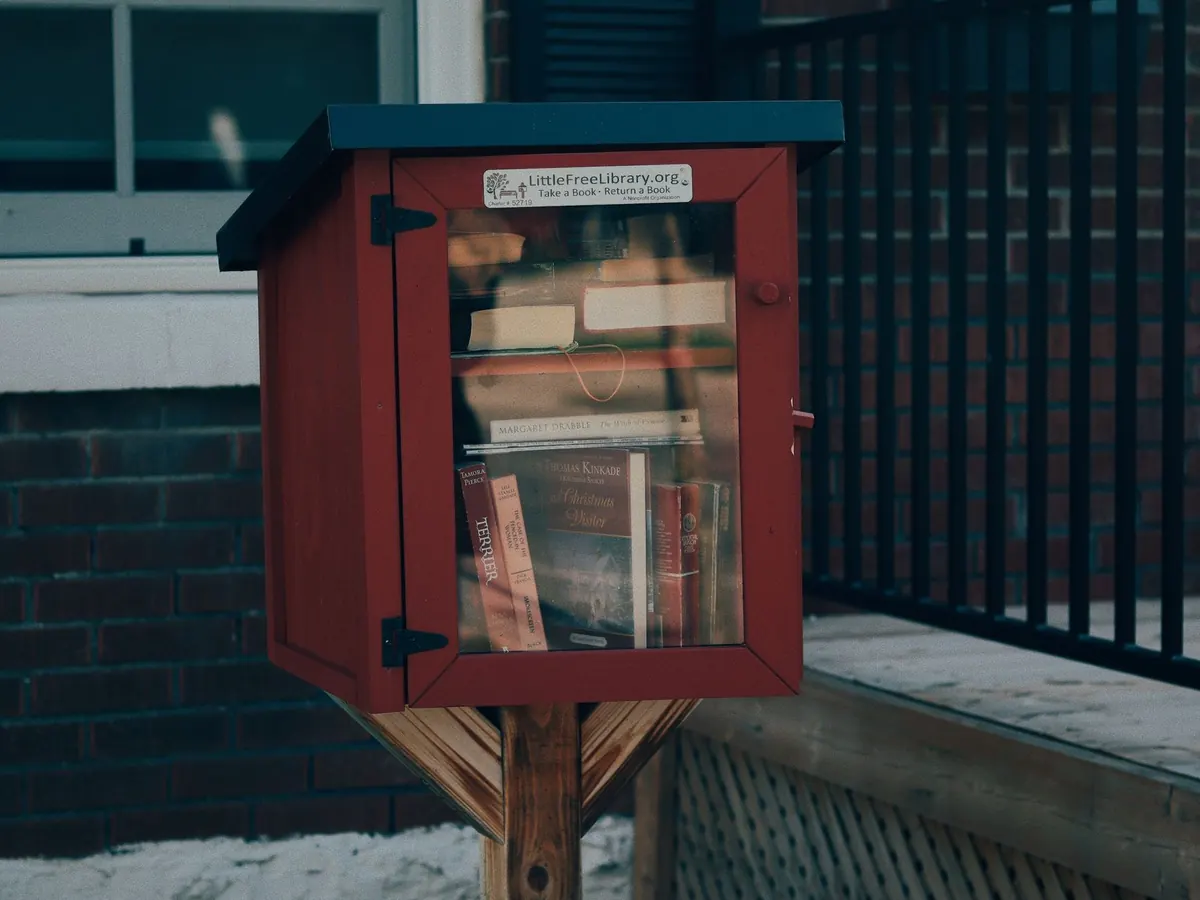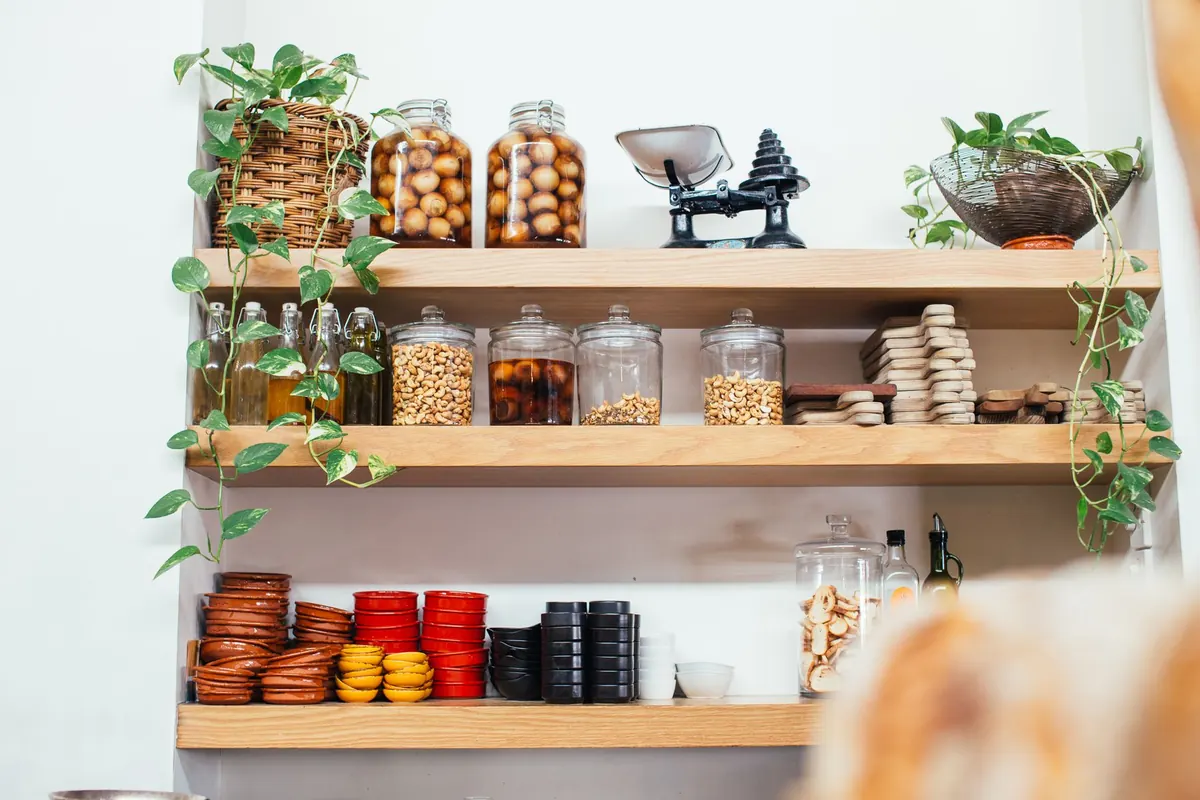
A community pantry rarely starts with a building. It starts with somebody noticing something: the family two doors down whose kids keep appearing at dinnertime, the free food table outside the church that's empty by Tuesday, the neighbor who runs short at the end of the month. You want to help, and you want to do it without making anyone feel watched. That's the whole idea behind a neighborhood pantry — a shelf, cabinet or fridge where food is free and no one has to explain themselves.
Getting one running is less complicated than most people fear. It just isn't as simple as putting a box on the sidewalk. Here's how to do it properly.
Start With the Need, Not the Shelves
Before you buy anything, spend a week finding out what already exists. Many neighborhoods have a food bank a bus ride away, a school with a weekend backpack program, a mutual aid group that delivers. Your pantry should fill the gap that's left, not duplicate what's working. Maybe the gap is weekend food. Maybe it's diapers and period products, which donation drives routinely ignore. Maybe it's evening hours for people who work days.
Then choose a model. There are three common ones:
- An unattended outdoor cabinet. Open around the clock, low labor, but exposed to weather and to the person who clears the whole shelf at once.
- A staffed pop-up. Two hours, once a week, in a church hall or community room. More control, more volunteers needed.
- A shelf inside an existing space. A library, laundromat, clinic or café that's already open daily. Easiest to run and often the best used.
New groups tend to overestimate what an unattended pantry can carry. If you can borrow an existing space, start there.
Find a Location People Can Reach Without Explaining Themselves
Location decides whether your pantry gets used. Look for foot traffic, good lighting, no stairs, and some shelter from rain. A spot near a bus stop or a busy corner shop beats a quiet alley, even if the alley sits closer to the people who need it most. People avoid places that feel like a walk of shame.
You need two kinds of space: the pantry itself, and roughly a closet's worth of overflow storage within a short walk. Ask a shop owner, landlord, faith leader or library manager directly, and write down what you'll use, when, and who cleans it. A one-page agreement prevents most arguments later.
Sort Out Permissions Before You Build
Rules vary enormously between cities, counties and countries, so don't assume and don't guess. Find out:
- Zoning and public land. A structure or sign on a sidewalk or in a park usually needs permission from your local council. Ask before you bolt anything down.
- Food safety. Your local health department can tell you what you're allowed to distribute, particularly anything refrigerated or prepared.
- Insurance. Ask whether your host's policy covers a pantry. Some groups add a rider; others operate under a registered nonprofit's coverage.
Half an hour with someone local who has done this before will save you weeks. If your pantry will handle money, sign a lease, or distribute anything regulated, get proper legal and insurance advice for your area rather than trusting a forum thread.
Stocking: What to Take, What to Leave
Keep the shelf boring and useful
Rice, pasta, canned beans, canned tomatoes, tinned fish, oats, cereal, peanut butter, cooking oil, shelf-stable milk, tea and coffee. Add the things people can't buy with benefits: soap, shampoo, toothpaste, laundry detergent, period products, nappies, baby formula with a date you've checked. Pet food is quietly one of the most appreciated items on any shelf.
Turn these away
- Opened or repackaged food, and anything homemade or home-canned.
- Dented, bulging, rusting or leaking cans, and anything past its date.
- Raw meat, unwrapped produce, alcohol, unlabelled mystery items.
Turning things down is awkward, so decide your policy in advance and put it on your donation sign. Most people would rather know than have their gift binned quietly.
Rotate like a shop
Oldest items to the front, labels facing out, and a five-minute check on every shift: wipe the shelves, bin anything leaking, and note what keeps disappearing versus what nobody touches. That note is your shopping list and your best guide to what your neighbors actually cook.
Build a Volunteer System That Survives February
Enthusiasm in month one is not a system. Split the work clearly:
- A scheduler who owns one shared calendar.
- A stock lead for orders, pickups and rotation.
- Drivers for donation collections.
- A cleaner — the least glamorous and most important role.
- Someone for messages, and for relationships with partner organizations.
Keep shifts to about ninety minutes, always with two people, and use a written checklist so nobody has to hold it all in their head. Refuse donations you cannot store; a garage full of spoiling produce drains morale faster than an empty shelf. Meet for thirty minutes a month, expect turnover, and design things so that losing any one person doesn't stop the pantry.
Protect Dignity While Getting the Word Out
No forms. No proof of address. No questions about income. The moment someone has to explain themselves, a good share of the people who need the pantry stop coming. Put the rules on the sign, not on the visitors.
The best pantry is a little boring: it opens when it says it will, the shelf is full, and nobody has to explain why they're standing there.
Spread the word where people already look — the laundromat noticeboard, the school newsletter, the tenants' group chat, the clinic waiting room — and print your sign in the languages spoken nearby. Partner with librarians, faith leaders and teachers, who can mention it without naming anyone. Don't photograph visitors or turn their stories into content. Small details carry the message: shelves at reachable height, an unlocked door, and no camera pointed at the entrance.
Your First Month, and What Comes After
Start with one shelf and one weekly shift, and run it for four weeks before adding anything. Keep a simple tally of visits and of what runs out first; that tells you more than any survey. Expect the first month to feel slow and the second to feel messy. Fix one thing at a time, ask your regulars what's missing, and revisit the whole setup after three months. A pantry that opens on time every week for a year beats a beautiful one that burns out its founders by spring.
Photo: Rachel Claire / Pexels