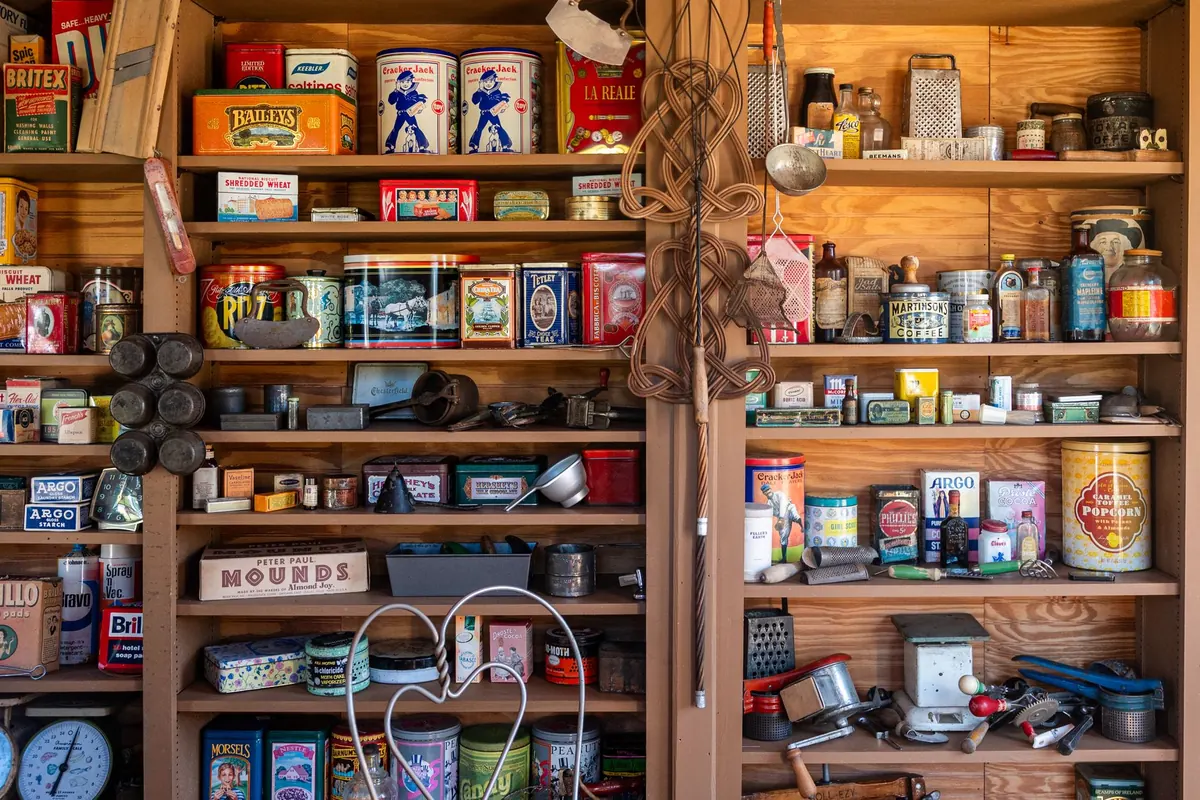
A community pantry lives and dies by its shelves. When someone walks in at four o'clock on a Tuesday with two kids and a nearly empty kitchen, what matters is whether they can leave with the makings of a real meal. Not a random bag of odds and ends that never add up to dinner. Staples are what make the difference: the plain, dependable, long-lasting foods that form the backbone of everyday cooking in almost every household. Get those right and everything else, from the fresh produce to the surplus bread to the occasional box of biscuits, has something solid to sit on.
What Makes a Good Pantry Staple
Four qualities matter, and they usually pull in the same direction. First, shelf life. Anything that will still be good in six months beats anything that needs to move this week. Second, nutrition. Calories are easy; protein, fibre, and a bit of fat are what turn a bag of food into a week of meals. Third, versatility. A bag of flour becomes bread, pancakes, a thickener for stew, or a coating for fish. A can of pumpkin becomes soup or a cake.
Fourth, and most often overlooked, is cultural fit. A pantry stocked only with what its volunteers happen to eat will feed only its volunteers' neighbours. A family that cooks with masa every day has little use for instant mashed potato, however cheap it was. If you remember nothing else from this guide, remember that the shelf should reflect the people who shop from it.
The Twenty Items Worth Always Having
This is a starting list, not a rulebook. Adjust quantities to your space, your refrigeration, and what your shoppers ask for. The categories matter as much as the individual items, because balance across them is what makes a pantry useful.
Grains and starches
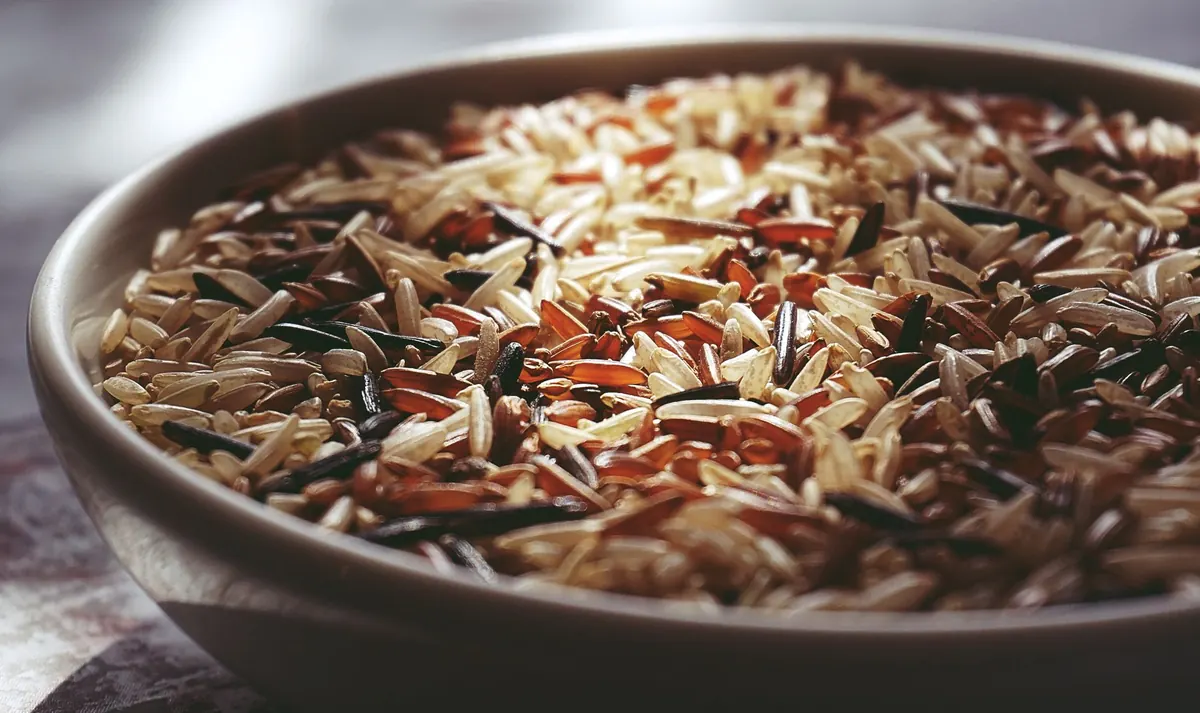
- Long-grain white rice. Cheap, calorie-dense, and the base of meals across dozens of cuisines. Add jasmine or basmati when budget allows.
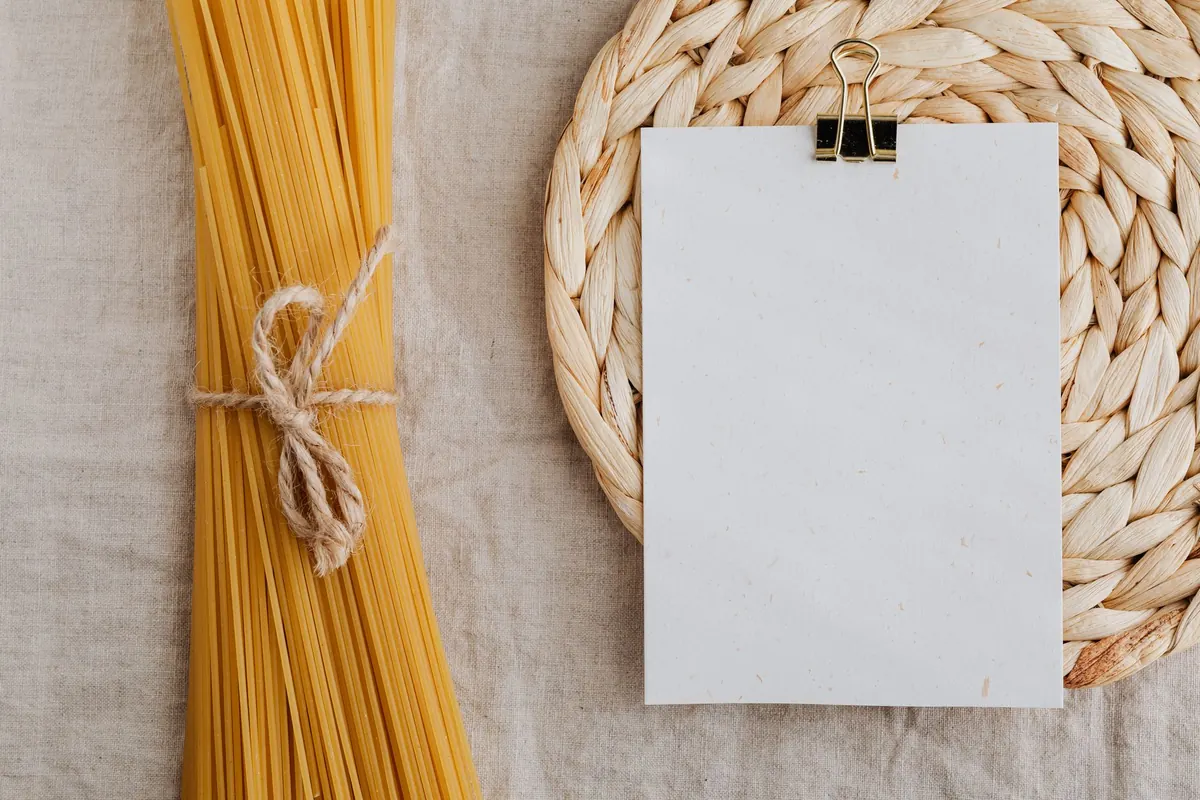
- Dried pasta. Shapes that hold sauce: penne, rotini, spaghetti. Fast to cook when time or fuel is short.
- Rolled oats. Breakfast, baking, and thickener in one bag. Plain oats cost far less per serving than flavoured packets.
- Cornmeal or masa harina. Cornmeal for porridge and cornbread, masa for tortillas. Ask your shoppers which one they actually cook with.
Protein
- Canned beans. Black, kidney, pinto, chickpeas. Edible cold, no soaking, and usually the cheapest protein on the shelf.
- Dried lentils. Cook in about twenty minutes with no overnight soak, unlike most dried beans. Good for soup and curry.
- Canned fish. Tuna, sardines, mackerel. Long shelf life, useful fats, and no cooking required.
- Nut butter. Peanut butter most often. Plain and unsweetened where the budget stretches.
- Canned meat. Chicken, corned beef, ham. Unfashionable, but shelf-stable and familiar to plenty of households.
Vegetables and fruit
- Canned tomatoes. Diced, crushed, or whole. The beginning of sauce, soup, chilli, and stew.
- Canned vegetables. Corn, green beans, carrots, peas. Choose no-salt-added versions when you can get them.
- Canned fruit in juice. Peaches, pears, pineapple, mandarins. Syrup-packed works too; juice is simply lighter.
- Dried fruit. Raisins, dates, apricots. Lunchboxes and baking, and dates are a daily staple in many kitchens.
Dairy, fats, and liquids
- Shelf-stable milk. UHT, evaporated, or powdered. Particularly important for households with young children.
- Broth or bouillon. Cubes, powder, or cartons. Turns a pot of rice and vegetables into soup.
- Cooking oil. Vegetable, canola, or olive. Store bottles upright, away from direct sun and heat.
Baking and seasoning
- Plain flour. All-purpose. Bread, pancakes, thickener, coating.
- Sugar. White or brown, plus honey if you have it.
- Salt. Iodised salt is worth specifying.
- Basic spices. Black pepper, cumin, paprika, chilli, cinnamon. Small jars beat no jars.
Read the Labels Before You Shelve
Two cans of the same vegetable can behave very differently. Sodium levels vary enormously, and shoppers managing blood pressure often look for the lower number. Added sugar does the same job in canned fruit and cereal. You do not need to ban anything, but it helps to know what you are offering so you can answer questions honestly.
Keep both pop-top and standard cans. Pop-tops are easier for people without a can opener, but they dent and leak more easily in transit. Store nut butter and wheat products away from the rest of the shelf if you can, and label anything you repackage. A plain bag of white powder is not a gift; it is a puzzle. Anyone shopping for a medical condition should be pointed to a dietitian or clinician rather than given a guess from a volunteer.
Stock for Your Neighbours, Not a Generic Shopper
The fastest way to build a relevant shelf is to ask. Put a clipboard by the door with one question: what would you like to see here? Within a month you will have a list. In many neighbourhoods that means coconut milk, sesame oil, halal or kosher options, gluten-free pasta, plain unsweetened cereal, and baby food with a long date on it.
A pantry that stocks only what its volunteers eat will feed only its volunteers' neighbours.
Cultural staples are not a luxury item. They are the difference between a bag of ingredients and a week of dinners someone actually knows how to cook. If a shopper asks for something you have never heard of, write it down and look it up. Ask where the local shop sells it and what it typically costs.
Rotation, Storage, and Pests
Stock rotates best when it is easy to see. Face labels outward, put the oldest dates at the front, and make the shelf nearest the door the use-first shelf. When donations arrive, date them before they go out. Never mix new rice into an open bin of old rice; empty the bin, clean it, and start again.
Keep everything off the floor and away from outside walls. Flour and grains attract pantry moths, so transfer opened bags into airtight containers, or at minimum into heavy zip bags with the date written on. A monthly fifteen-minute walk along the shelves will catch most problems before they become a cleanout. If a can is dented at the seam, bulging, or rusted, recycle it rather than shelving it.
Getting Started Without Overwhelming the Shelves
- Pick eight items from the list above and set a target quantity for each, say twelve cans of beans or ten bags of rice.
- Write that target on a card and tape it to the shelf so volunteers know what to look for.
- Run one themed collection a month, such as cooking oil in March and canned fish in April, rather than asking for everything at once.
- Ask two or three regular shoppers to review your list every quarter and tell you what is missing.
- Train everyone who sorts donations on the same three rules: check the date, check the seal, check the list.
Start smaller than feels ambitious. A tidy shelf of twelve reliable staples serves people far better than a jumble of fifty things nobody can find. Build the habit of asking, keep the rotation simple, and the rest follows.
Photo: Jackie A / Pexels